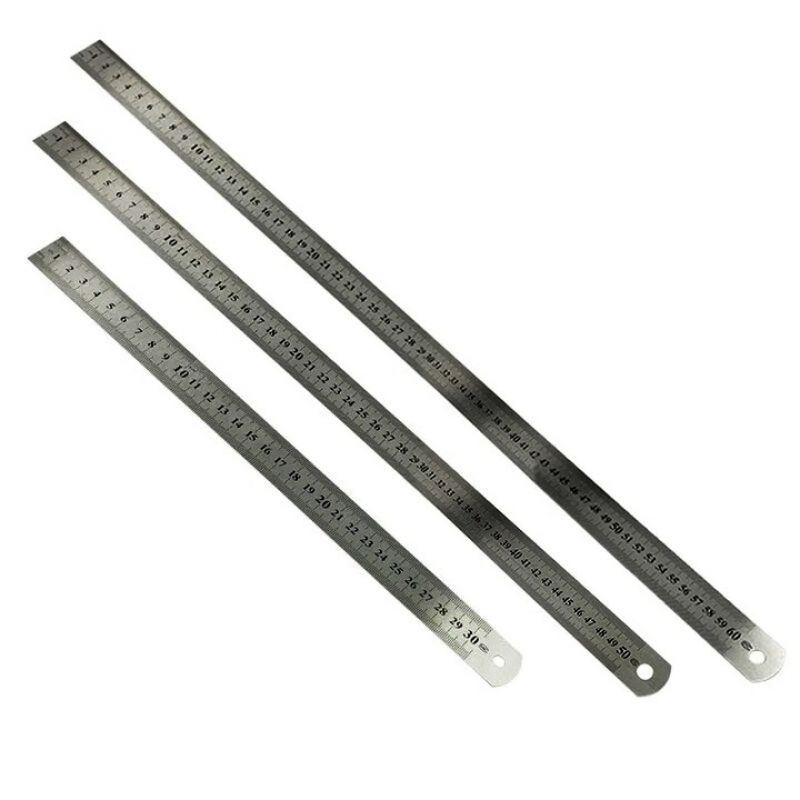
When it comes to precise measurements, a high-quality measuring tape is an indispensable tool. These tapes utilize advanced designs that ensure accuracy down to the smallest increment. Whether you're a professional contractor, a DIY enthusiast, or simply someone who values consistency in their measurements, a precision measuring tape will reveal invaluable.
- Opting for a measuring tape with a clear scale is paramount for accurate readings.
- Look for tapes made from durable materials that can withstand regular use and harsh environments.
- Consider the tape's length, ensuring it meets your measurement demands.
Tips for Mastering Using a Tape Measure
Unlocking the mysteries of accurate measurement involves more than just watching at a tape measure. It requires understanding its parts, practicing proper usage, and developing an eye for detail. From measuring the length of a plank to determining the circumference of a object, a tape measure is your vital tool.
- Initiate by selecting a tape measure appropriate for the job at hand.
- Lengthen the tape measure and firmly hold it against the first point of your measurement.
- Match the zero mark on the tape measure with the beginning of your object or line.
- Read the measurement at the point where the tape measure meets the finish of your object or line.
Remember to consider any differences in the tape measure's markings and practice your measurement skills over time. With dedication, you can master at using a tape measure and achieve reliable measurements every time.
Selecting the Best Measuring Tape for Each Task
Embarking on a construction project? The value of an reliable measuring tape can't be overstated. Whether you're building, measuring dimensions, or tackling a complex task, the right measuring tape will make your project efficient. Consider these factors to determine the ideal measuring tape for your needs:
- Measurement range
- Build quality
- Extras
Mastering Measurement: Tips for Using Measuring Tapes Effectively
To ensure accurate measurements every time, consider these helpful tips when utilizing a measuring tape. First, meticulously inspect the tape ruler inches for any wear and tear. A damaged tape will provide inaccurate readings. Next, confirm the tape is unrolled fully to avoid shorter measurements. When marking your measurement, constantly align the zero point of the tape with the starting point at your measurement. Finally, interpret the measurement at eye level to avoid parallax error, which can occur when viewing the reading from an angle.
- Examine the tape for any signs of damage before use.
- Unroll the tape fully to avoid truncated readings.
- Position the zero point with the starting point of your measurement.
- Read the measurement at eye level to prevent parallax error.
The Essential Tool for DIY Enthusiasts: The Measuring Tape
For any DIYer, the yardstick is an indispensable asset. It's the cornerstone of every project, from simple repairs to more complex projects. A trusty measuring tape ensures accurate sizing, preventing costly mistakes and securing a successful outcome.
- Ensure Success with Precise Dimensions
- Tackle Any Project with Confidence
- A Worthy Investment for Any Homeowner
Measuring Made Easy
Whether you're a home improvement project or simply checking dimensions, a measuring tape is an indispensable tool. These handy devices come in various lengths and provide both metric and imperial units of sizing. Selecting the suitable measuring tape depends on your particular needs. For everyday use, a standard 25-foot tape is often enough. But for specialized tasks, explore tapes with features like flexible blades, laser pointers, or digital indicators.
- Select a tape measure with a durable blade made of steel or fiberglass for long-lasting use.
- Look the markings on the tape, ensuring they are visible.
- Select a tape measure with a comfortable grip and easy-to-read numbers.